Pinned Beams and Tiles
The BitBeam system is all about versatility, but sometimes you just want things to stay together with as few parts as possible. That is why we have added a brand-new category to the BitBeam family: Pinned Components. As the name suggests, these are beams and tiles that have the connector (pin) integrated directly into their body.
No more hunting for loose pins in your parts bin—just grab a piece and snap it right in!
Two Worlds: Tiles vs. Construction Bricks
We divide these new components into two main groups based on how you plan to use them:
1. Pinned Tiles
If you are building a model where aesthetics matter, pinned tiles (e.g., bb-tl-1-pn-1) are your secret weapon. They feature a smooth top surface without any holes. Once snapped into a beam, they hide the technical structure of the system and create a clean, "finished" look.
- Uses: Car bodywork, building facades, or simply giving a beam an elegant end-cap.
- Variants: Available in different heights (e.g., 0.5 or 1), allowing you to fine-tune the thickness of your model's exterior.
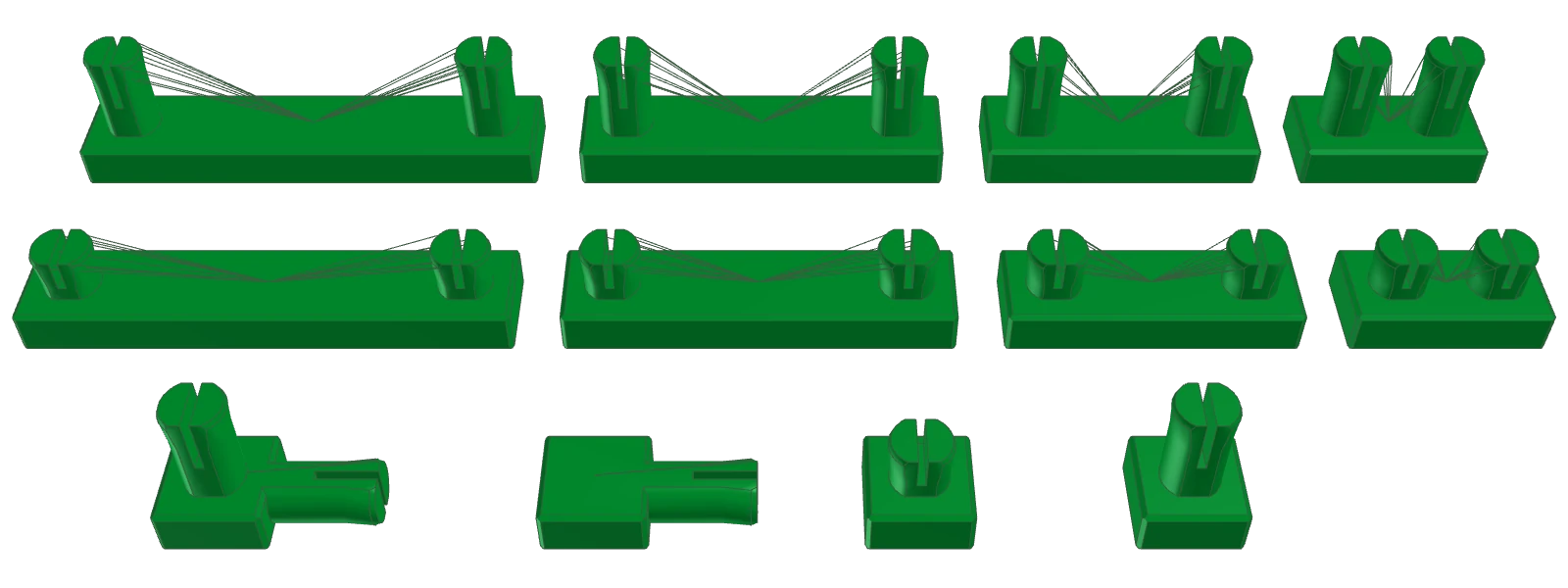
A visualization of various pinned tiles.
2. Construction Bricks (Pinned Beams)
This is where the real engineering happens. These parts (e.g., bb-b-1-th-pn1-1) combine a standard BitBeam hole with one or more pins set at various angles.
- Uses: Ideal for joining beams at right angles, creating T-junctions, or branching out your construction in spots where a standard beam would be too long.
- Specialized Angles: We offer versions with pins placed side-by-side (adjacent), directly across from each other (opposite), or even in a 4-pin cross configuration.
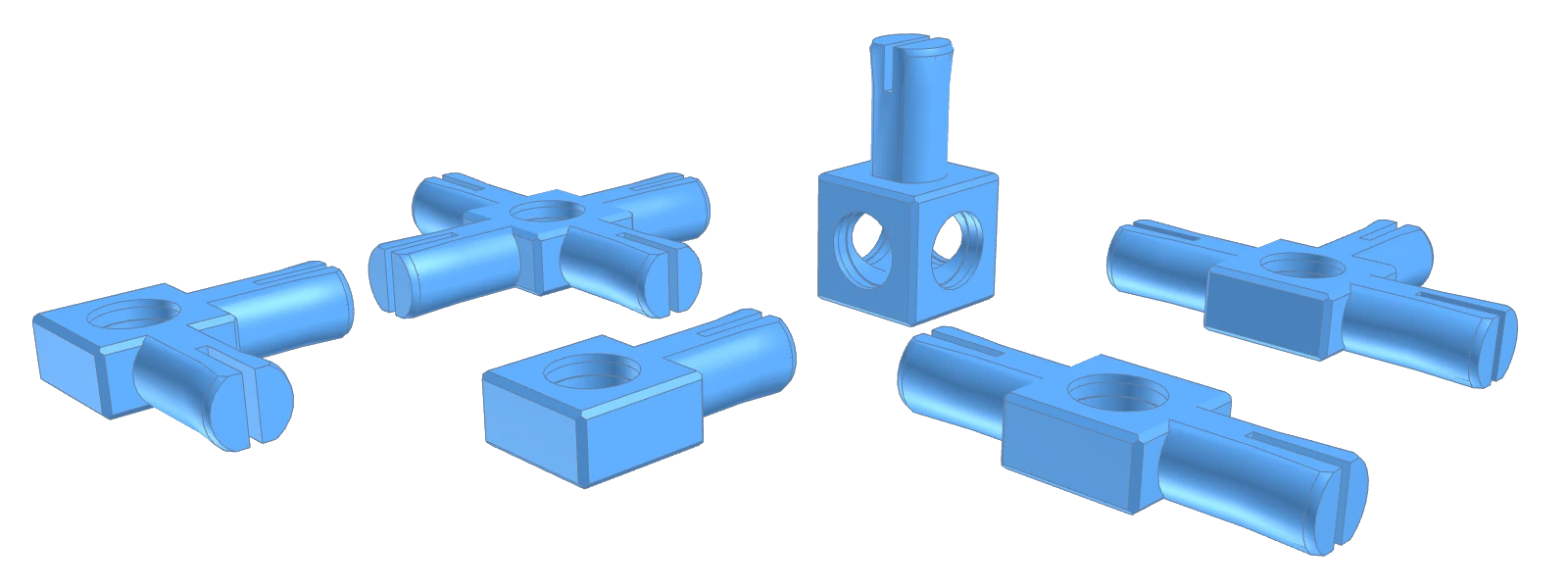
A visualization of pinned construction components.
Overview of Selected Parts
| Part Code | Pin Count | Features | Primary Use |
|---|---|---|---|
| bb-tl-1-pn-1 | 1 | Smooth Tile | Aesthetic finish and smooth surfaces. |
| bb-b-1-pn-1 | 1 | Basic Brick | Standard perpendicular beam joints. |
| bb-b-1-th-pn2-hopp-1 | 2 | Opposite Pins | Inline connector between two beams. |
| bb-b-1-th-pn2-hadj-1 | 2 | 90° Pins | Corner joints and structural reinforcement. |
| bb-b-1-th-pn4-h-1 | 4 | Cross Pins | Central hubs for branching arms. |
Printing Tips for the "Pinned" Family
Since the pin is a permanent part of the component, it needs to be durable. Unlike standard beams, which we usually print from PLA, we strongly recommend using PETG for these parts.
- Flexibility: The pin must compress slightly when inserted. While PLA can become brittle and crack over time, PETG remains springy even after many assembly cycles.
- Orientation: Most of these parts are designed to be printed with the pin either flat on the heatbed or pointing straight up.
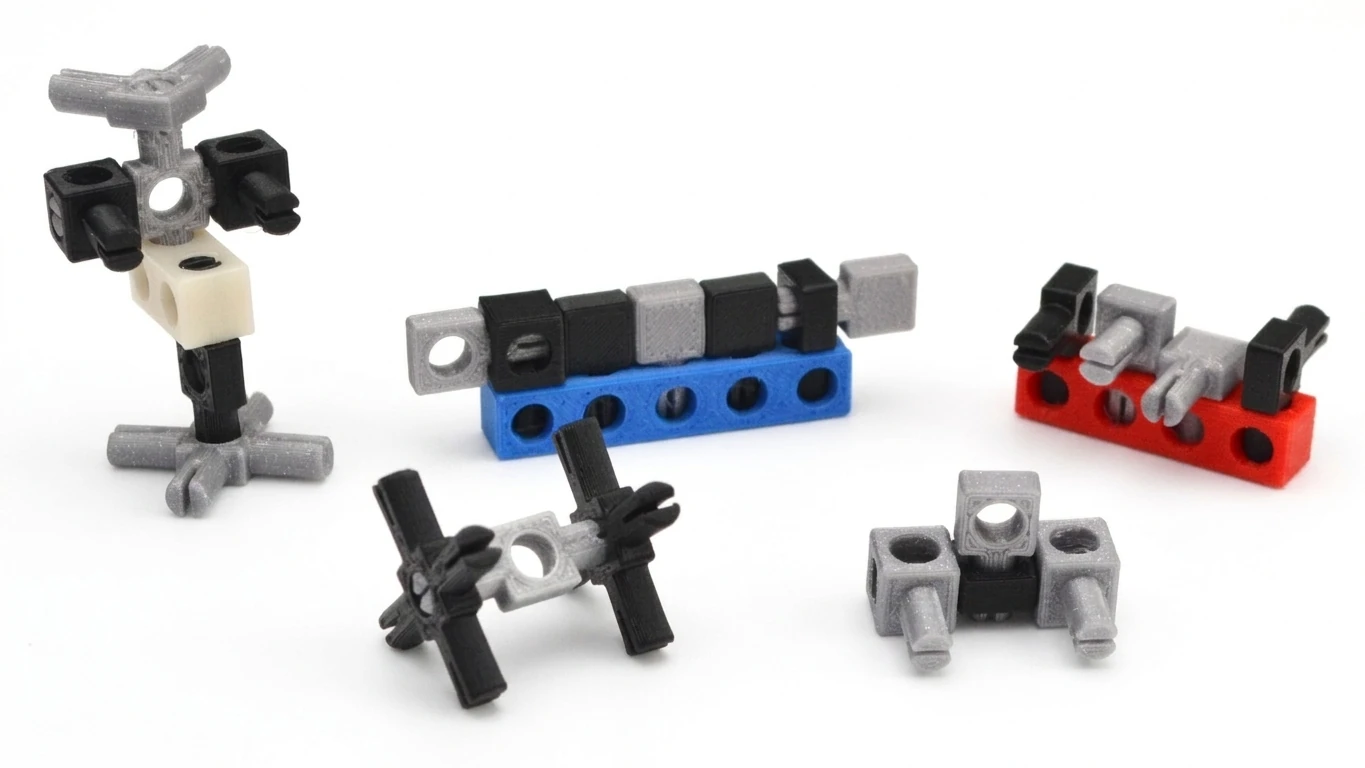
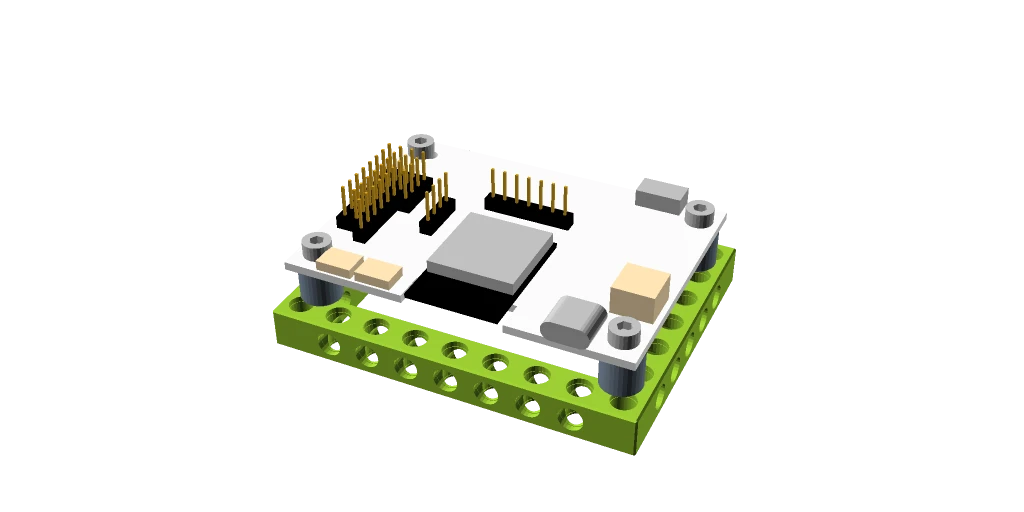
A selection of pinned BitBeam components in real-world applications.